Beef Ribs vs Pork Ribs Kitchen Laughter
See why leading organizations rely on MasterClass for learning & development. As their names suggest, beef ribs and pork ribs are rib cuts that come from a cow and a pig, respectively. This means that these two handheld barbecue cuts have a number of notable differences.
Beef Ribs vs Pork Ribs Valuable Kitchen
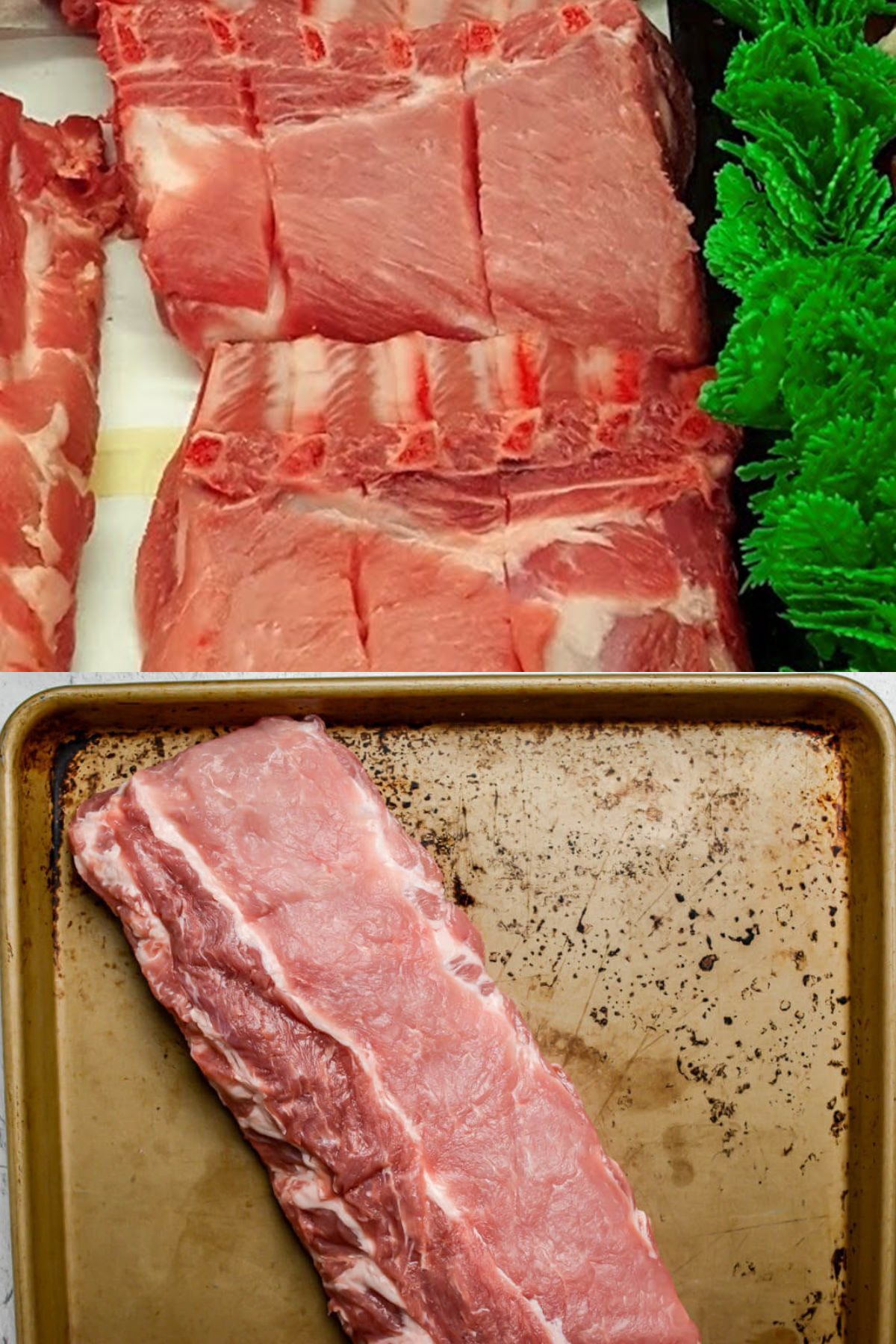
As mentioned above, pork ribs are generally smaller than beef ribs. They'll range from about 7-8 inches long, with an average weight of 1 pound each. Although they may look small, pork ribs are actually fairly heavy and thick. This makes them ideal for cooking because they're able to retain heat very well.
Beef Ribs vs Pork Ribs Compare and Decide!
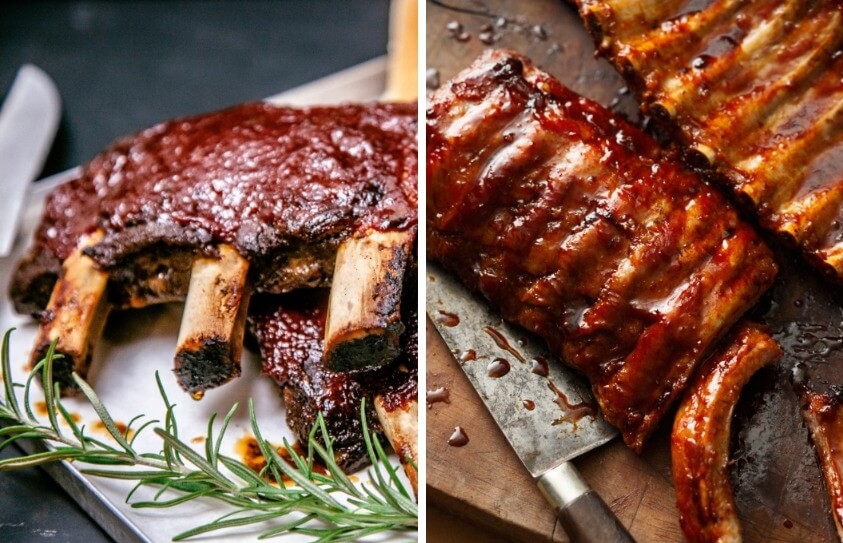
Depending on the butcher's discretion, an entire rack of beef ribs is in half. These ribs resemble pork ribs. Due to their large size, beef ribs will take longer to cook. In contrast, pork ribs are much smaller than beef ribs. The average rack of pork back ribs has 10-13 ribs and weighs 1 1/2-2 pounds.
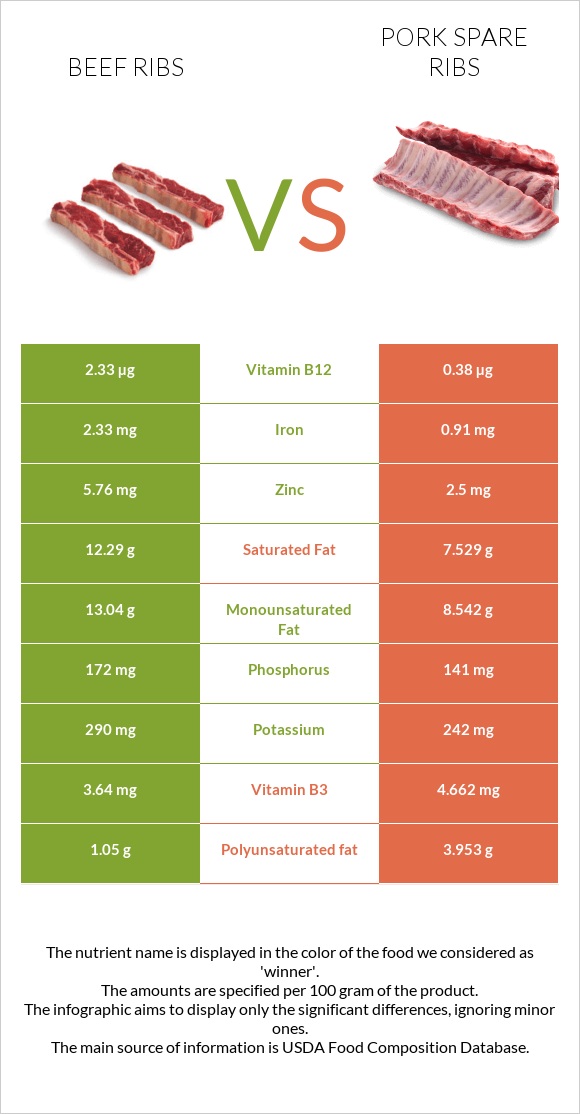
Beef ribs vs. Pork spare ribs — InDepth Nutrition Comparison
The full rack of beef ribs weighs about 30 pounds. Out of that 30 pounds, only 4 pounds is considered short ribs. Because the short ribs are such a small part, this cut tends to be priced higher than most other beef cuts. Beef back ribs are similar to pork ribs - in terms of cooking techniques.
Pork Ribs vs Beef Ribs Here Are the Differences (August 2021) Beef ribs, Pork ribs, Rib

Beef Ribs are almost always larger than pork ribs, if only because the animal they come from is bigger. Pork Ribs are almost always smaller than beef ribs. We say almost always, because butcher shops and supermarkets tend to reserve the largest beef ribs for restaurants and other big time customers, so it's possible to find beef ribs that are.
Beef Ribs Vs Pork Ribs Here Is The Basic Cooking Guide For Each
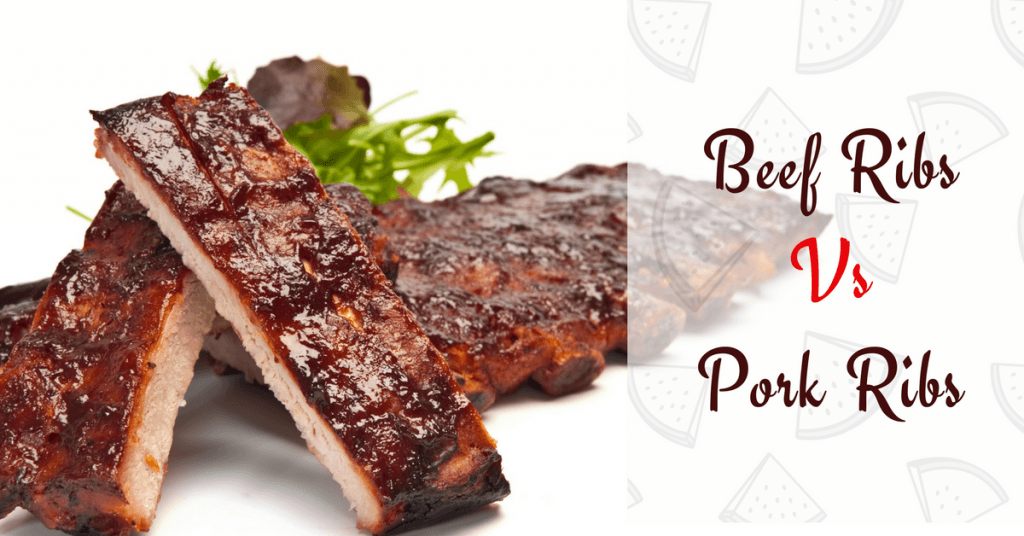
Avoid over-spicing beef ribs, unlike with pork ribs. Avoid any sugar or commercial rubs containing sugar, as the sweetness does not suit beef ribs. Set your smoker to 225 - 250 °F for a traditional low and slow approach. As beef ribs are robust, you can increase the temperature to 275 - 300 °F for quicker cooking.
Pork Ribs vs Beef Ribs Here Are the Differences (July 2021) Beef ribs, Pork ribs, Beef

While the meat-fat ratio of beef ribs is almost equal, pork ribs have more meat than fat. This is most notable in cuts derived from the upper section of the rib cage. Rib tips are mainly composed of fat; these trimmings are from spare ribs that require special care to render the fat for moist and tender pork ribs.
The Great Beef Ribs vs. Pork Ribs BBQ Debate

October 25, 2023. The most basic difference between beef ribs and pork ribs is that beef ribs come from a steer where-as pork ribs come from a pig. Extending beyond that, if you've never smoked one or the other, you may not know the more nuanced information to be aware of; Factors like price, smoke time, or preparation.
Beef Ribs VS Pork Ribs What's The Difference Own The Grill
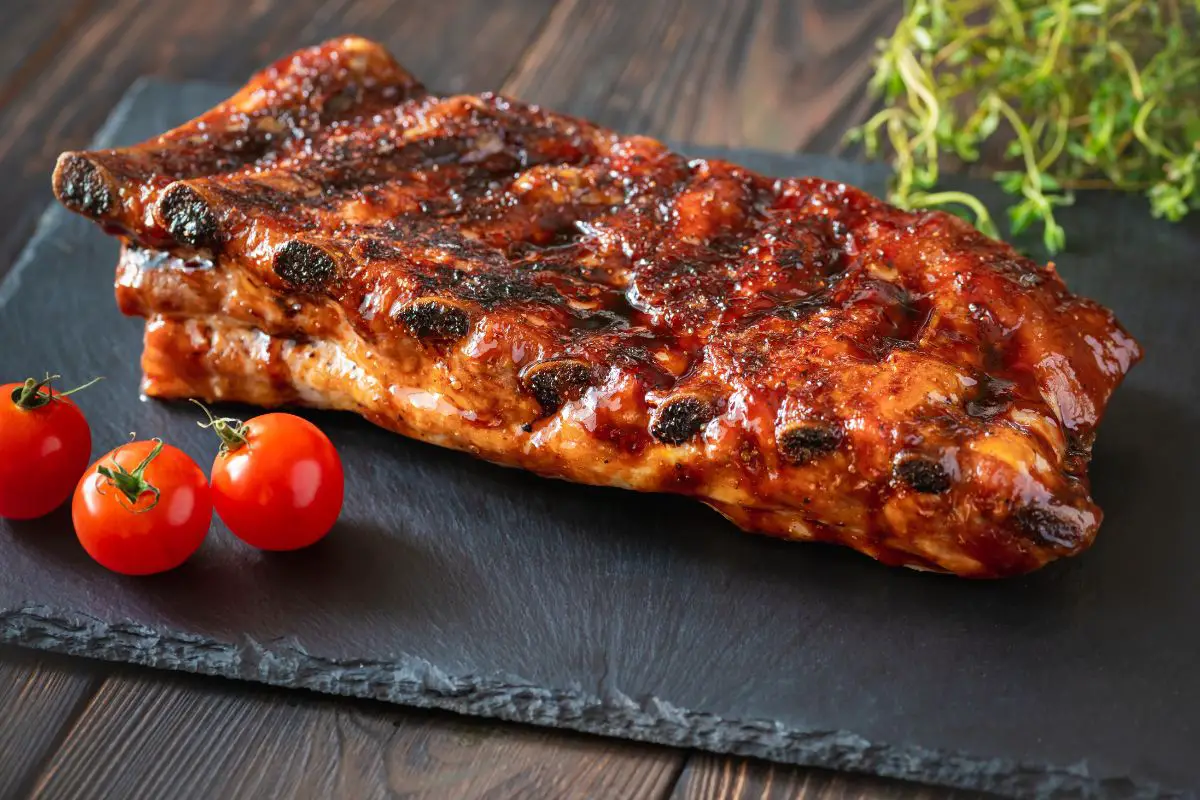
Pork ribs and beef ribs have very different textures and flavors and textures. Beef ribs, have a rich taste with stronger flavors and due to the marbled meat that becomes incredibly tender when smoked. Pork ribs, are more succulent and tender, with a sweeter flavor which is often amped up for rubs or marinades.
Beef Ribs vs Pork Ribs A BBQ Guide

You can prepare them easily, and they are more convenient for eating. 2. Flavor. Apart from the size, among pork ribs and beef ribs, there are differences in taste. Beef ribs have a specific and stronger taste, while pork beef's taste is more tender. Differences in taste and flavor can also be found among different cuts.
Beef Ribs Vs Pork Ribs Which Is Better On The Grill? Black Bark BBQ

Flavor: Beef ribs have a richer, more complex flavor whereas pork ribs tend to be milder and less intense. 2. Texture: Beef ribs are tougher due to the connective tissue that needs to be broken down during slow cooking while pork ribs can usually be cooked faster at higher temperatures resulting in softer, juicier meat. 3.
Beef Ribs VS Pork Ribs What's The Difference Own The Grill

Not only are pork ribs more readily available, they also tend to cook faster. Baby back ribs cook faster than spare ribs, and beef back ribs are fairly comparable. Just don't use the 3-2-1 method to smoke your pork ribs. Instead, check out Michael Haas' method which will give you great ribs that you can bite through.
Beef Ribs vs Pork Ribs What's The Difference? Simply Meat Smoking

Cook in the smoker (Amazon) at low heat (about 250 degrees Fahrenheit) for about 2 hours (or until done). . check-circle. Wrap the beef rib slabs in a foil and place over direct heat (about 400 degrees Fahrenheit). check-circle. Grill each side for about 5 minutes each. check-circle.
Beef Ribs vs Pork Ribs What's The Difference? Simply Meat Smoking

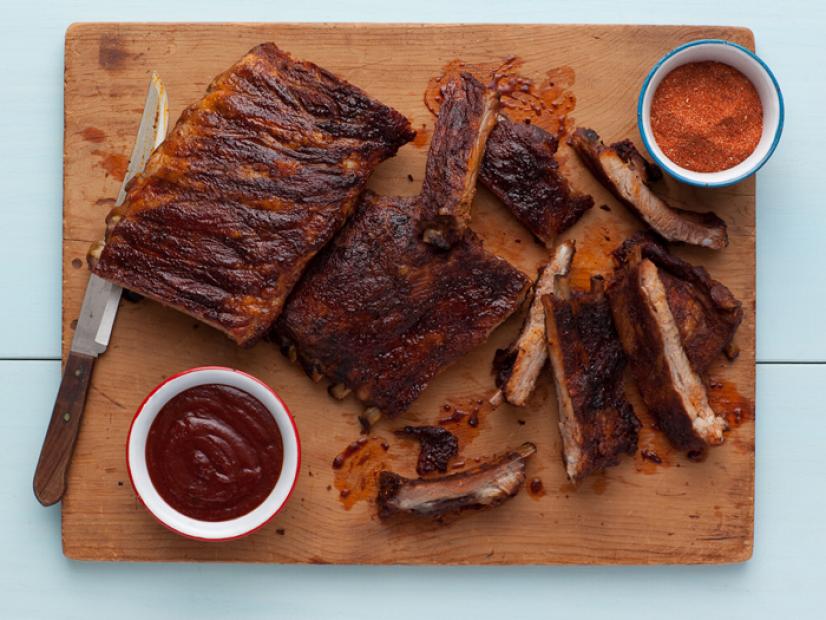
Pork ribs are a little smaller and thinner than beef ribs, with each rack containing more bones. Pork ribs are best grilled or smoked low and slow to achieve a tender, juicy texture. The ideal grilling temperature for pork ribs is between 275-300°F and they usually take 3-4 hours to cook. Pork Ribs.
Beef Ribs vs Pork Ribs Compare and Decide!
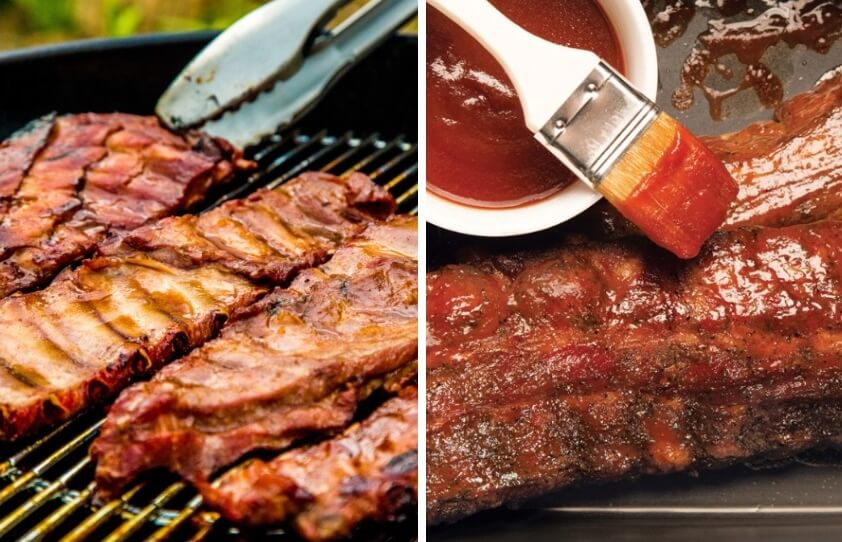
Combine honey, brown sugar, and your favorite spices for a deliciously sweet glaze. Brush the glaze over the ribs and cook for 5-10 minutes. Combine ketchup, Worcestershire sauce, and garlic powder for a savory sauce. Brush the sauce over the ribs and cook an additional 5-10 minutes.
Beef ribs vs pork ribs Difference and 7 great tips to cook Davies Chuck Wagon
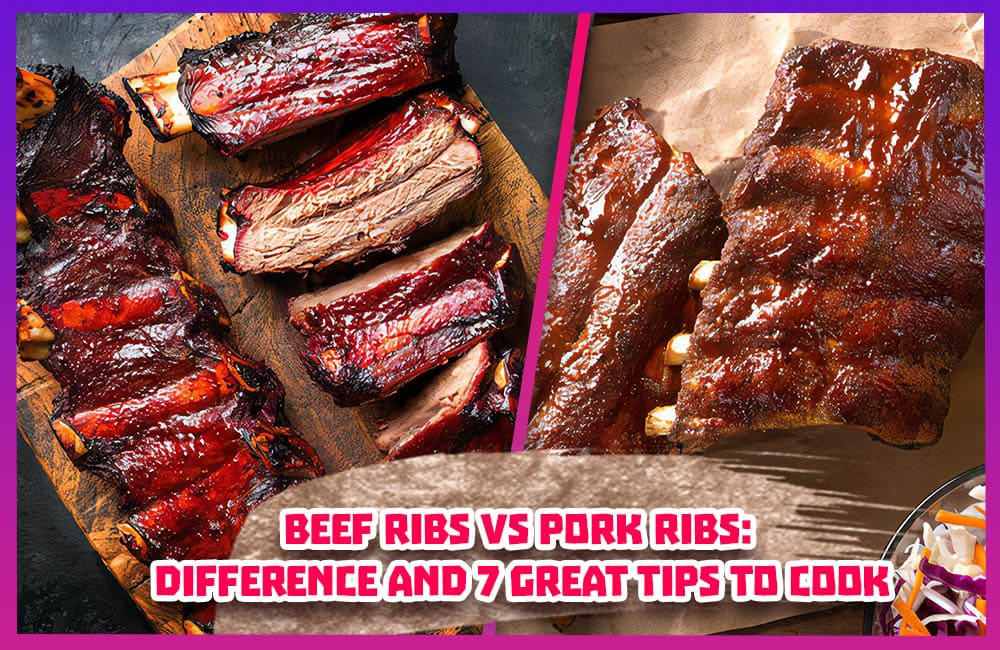
As a rule, beef ribs are larger and fattier than pork ribs. By contrast, pork ribs are more versatile, because their flavor tends to be far milder on account of the lower fat content. It's also easier to buy pork ribs in bulk, and they don't take as long to prepare.
.