Burke and Wills expedition of 1860 Everywhere History

Forever strung together as one, bonded in death, Robert O'Hara Burke and William Wills are two of Australia's most famous, and tragic, explorers. The first to successfully cross the continent from south to north, they died beside Cooper Creek in south-west Queensland on the return journey. Burke was born in Ireland in 1821, and Wills in.
On this day in history Burke and Wills' expedition begins Australian Geographic
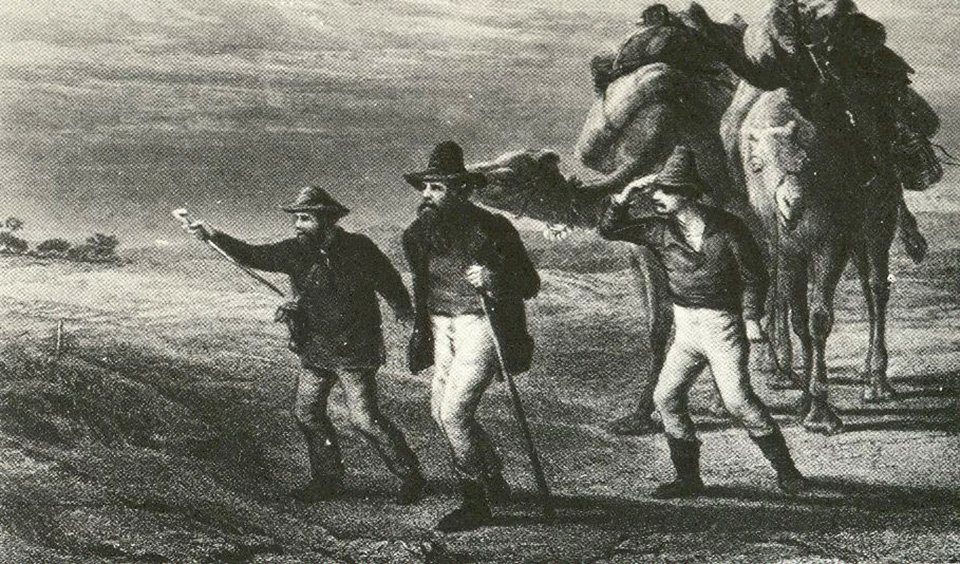
Charles Gray was the first of the four men to die. Burke, Wills, and King made it back to Cooper Creek in April 1861, only to find it abandoned. The rest of the expedition had apparently given up on them. 'Burke, Wills and King on the way back from the Gulf of Carpentaria' by Nicholas Chevalier.
Burke and Wills State Library of NSW

The choice of a totally inexperienced leader is inexplicable if exploration were the real object, but excellent if it were exploit. Burke was a death or glory man and he achieved both. The Burke and Wills expedition was the most costly in the history of Australian exploration, a symbol of the nouveau riche colony that promoted it. When the last.
The Doomed Journey of Burke and Wills YouTube

Map of the Burke and Wills expedition. The Burke and Wills expedition was organised by the Royal Society of Victoria in Australia in 1860-61. It initially consisted of 19 men led by Robert O'Hara Burke, with William John Wills being a deputy commander. Its objective was the crossing of Australia from Melbourne in the south to the Gulf of Carpentaria in the north, a distance of around 3,250.
Dig The Burke & Wills Research Gateway
The Burke and Wills Expedition was the first European expedition to cross the continent of Australia from the south coast to the north coast. It was officially called the Great Northern Exploration Expedition. Robert O'Hara Burke led the expedition, which took place from 1860 to 1861. William John Wills was second in command for much of the trip.
Explorers Burke & Wills in Clare's Past

Seven men died in the attempt, including the leader, Robert O'Hara Burke and the third in command William John Wills. Only one of the four men who reached the north coast, John King, survived to return to Melbourne.. 'Following Burke and Wills Across Australia' guides you on a road trip that follows one of history's great transcontinental.
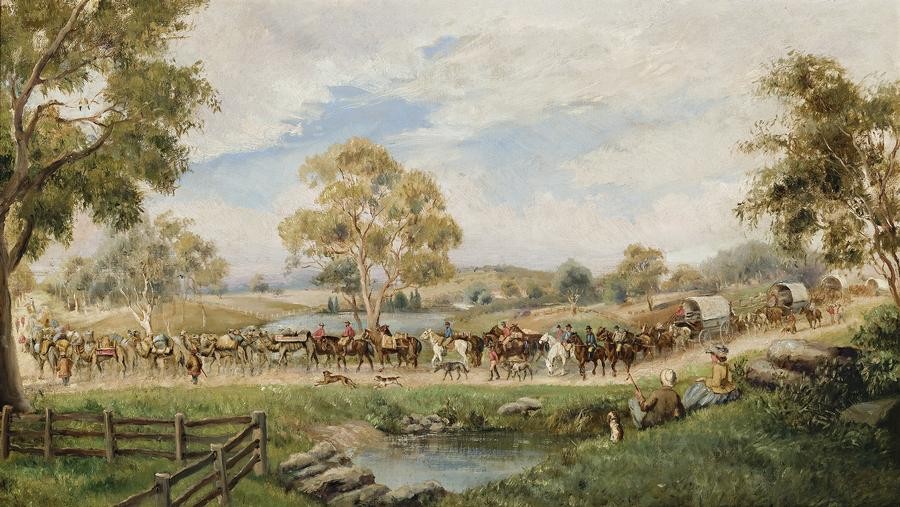
THE BURKE AND WILLS EXPEDITION. 1860. AT BARNEDOWN ON THE CAMPASPE, c.1910 Deutscher and Hackett
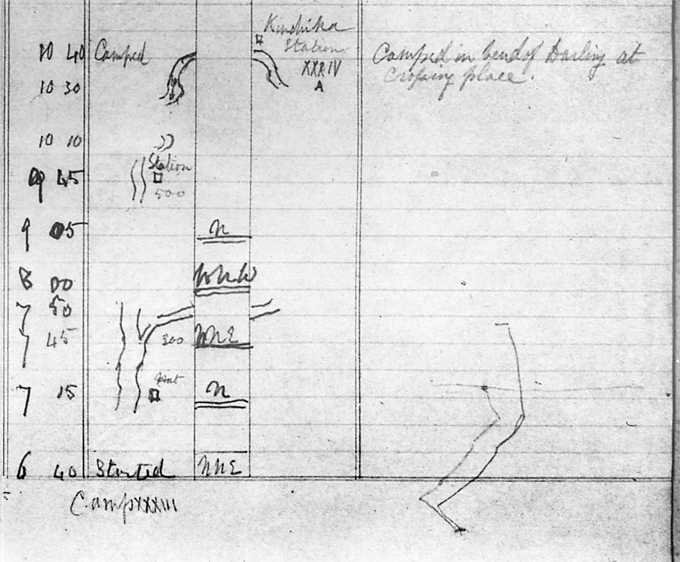
The simple answer to the above questions is that nobody knows exactly where Burke & Wills went and there has never been a map published which contains enough information to accurately follow the track of the expedition. The records of the expedition are quite extensive, however the records are incomplete and scattered through a number of.
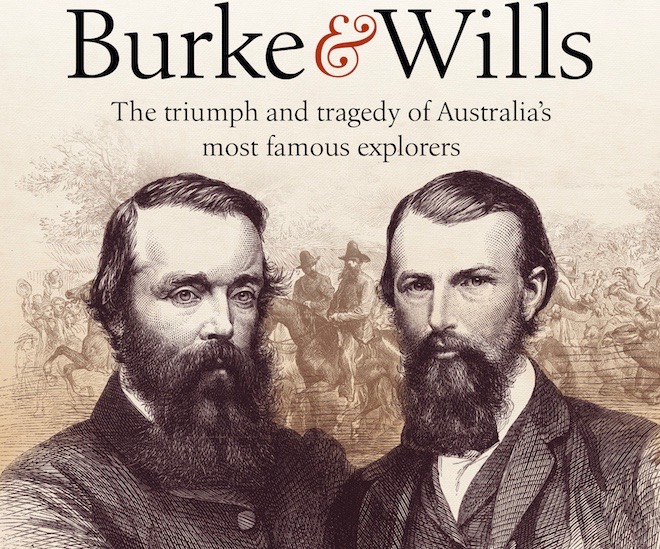
Burke and Wills The triumph and tragedy of Australia's most famous explorers by Peter

Burke and Wills were both buried in graves marked by simple engravings on nearby trees. A legend born. The story of Burke and Wills' doomed expedition remains one of Australia's most popular legends of exploration and survival. Even at the time, the public remained fascinated by the story long after the initial fanfare of the trip died away.
Burke and Wills The triumph and tragedy of Australia's most famous explorers by Peter FitzSimons

Burke and Wills died on that journey; however, King was saved by some friendly Aborigines, who took him in. On 15 September 1861, a rescue party (led by Alfred Howitt) found King. Robert O'Hara Burke, leader (of the Burke and Wills expedition) Whilst the Burke and Wills expedition turned out to be a tragedy, it was also very useful for the.
A tragic end Burke and Wills Stories State Library of NSW

The Australian pioneer Robert O'Hara Burke died of starvation on June 30th, 1861. The leader of Australia's most famous expedition of exploration was born in 1820 in County Galway, Ireland into a family of Protestant gentry and trained in England for the army. Of an adventurous disposition, he took a commission in the Austrian army's.
The Burke and Wills expedition (18601861)
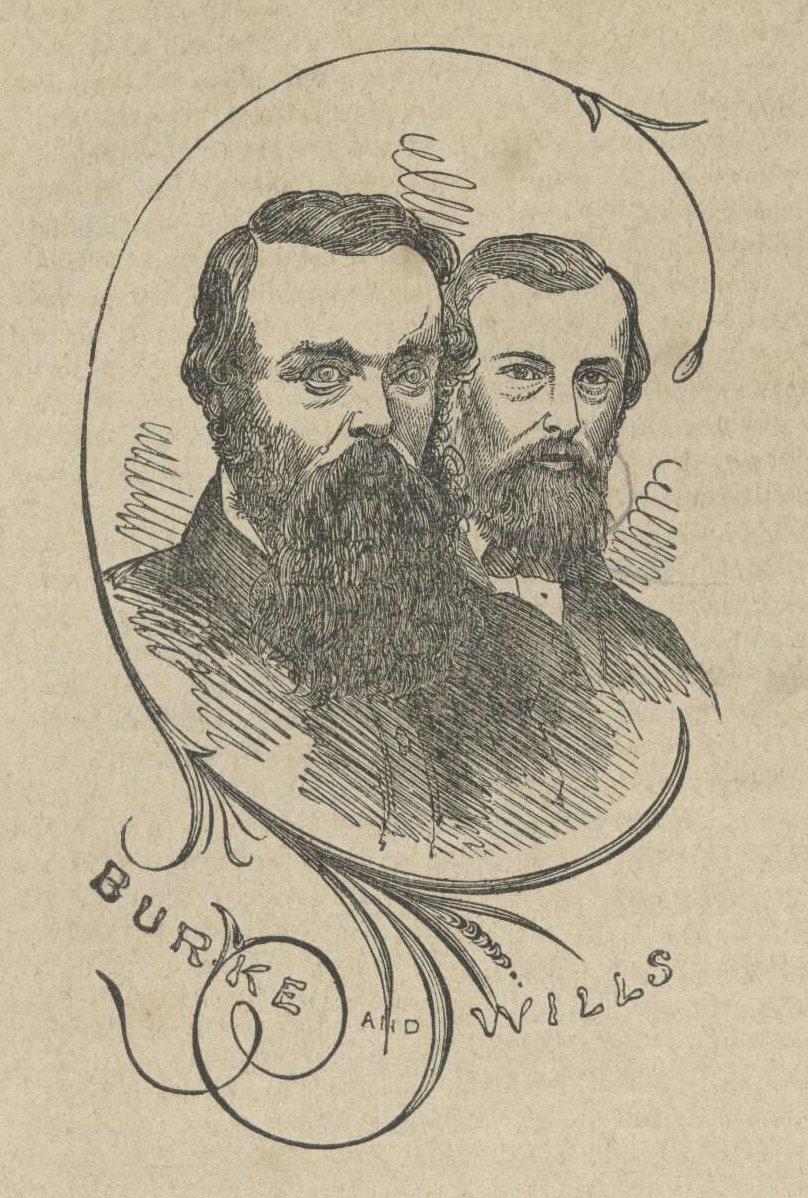
Robert O'Hara Burke, William John Wills, John King and Charles Gray were the first Europeans to cross Australia from the south to the north. They left Melbourne in 1860 and reached the Gulf of Carpentaria in northern Australia in February 1861, but Burke, Wills and Gray died as they tried to return south. The expedition has become an Australian legend, often called a heroic failure.
Burke and Wills collection National Museum of Australia
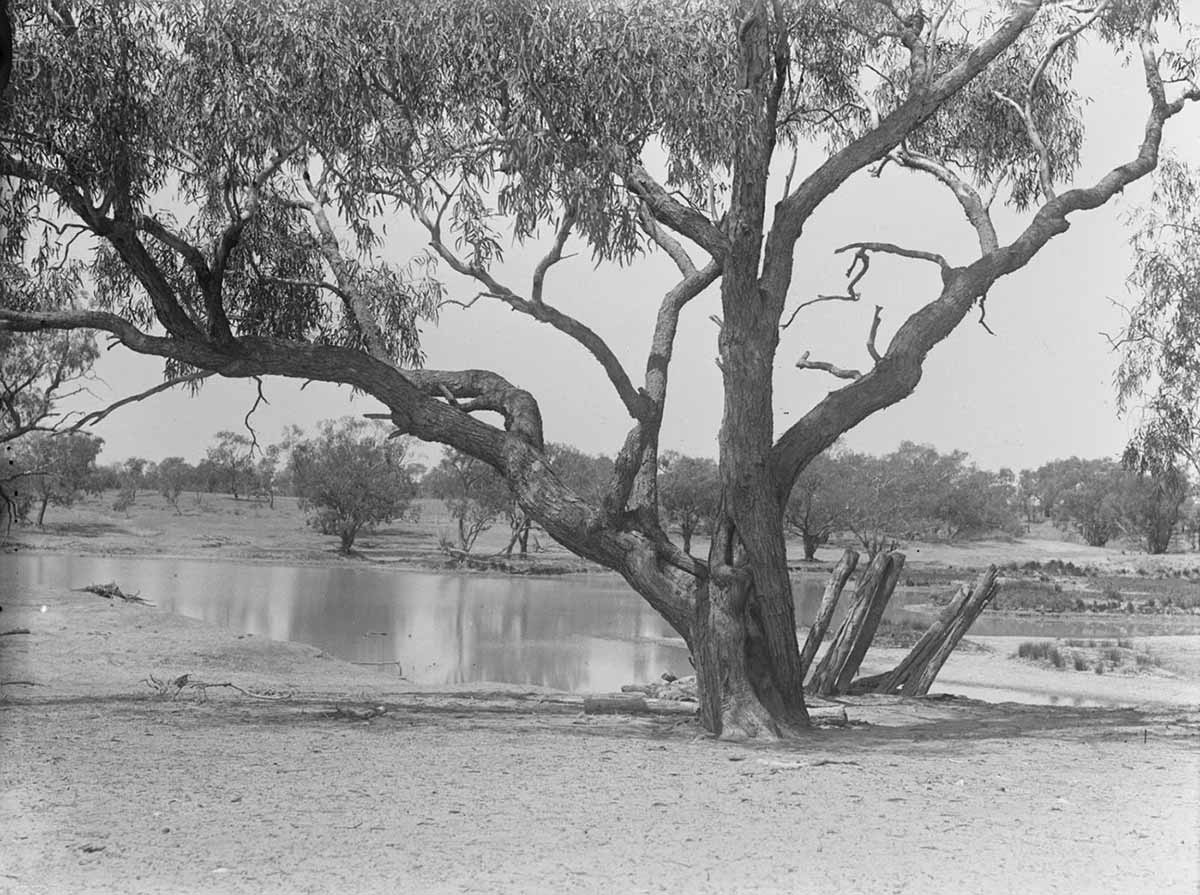
Burke and Wills. Robert O'Hara Burke, William John Wills, John King and Charles Gray became the first Europeans to cross Australia south to north when they reached the Gulf of Carpentaria in February 1861. The death of Burke, Wills and Charles Gray during their return led the expedition to be mythologised in Australian culture as a heroic.
Burke & Wills review of Peter Fitzsimons book
Robert O'Hara Burke (born May 6?, 1820/21, St. Clerah's, County Galway, Ireland—died June 28?, 1861, Australia) was an explorer who led the first expedition known to attempt the crossing of Australia from south to north. Robert O'Hara Burke (left) and William John Wills. Sponsored by the Royal Society of Victoria, Burke left Melbourne.
Unique Australian History The Burke and Wills Expedition
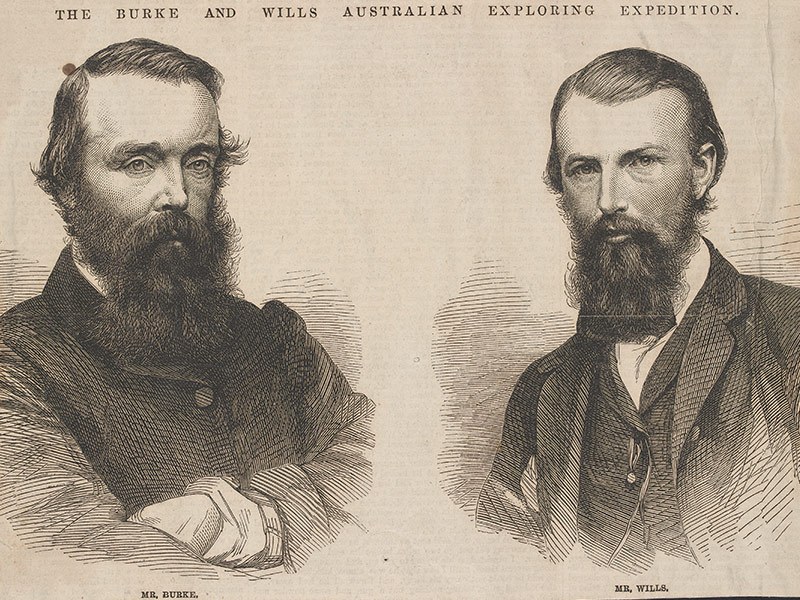
Burke and Wills died attempting to reach Mount Hopeless. King, near death, was cared for by the Yandruwandha people until a relief expedition rescued him. When news of their disappearance reached Melbourne, four relief parties were despatched to search for them. One of the parties, led by Alfred Howitt, rescued King and buried Wills and Burke.
PPT Burke and Wills PowerPoint Presentation ID2448777

Gray died on 17 April 1861. A few days later Burke, Wills and King arrived back at Camp 65, exhausted, almost starving and hardly able to walk. They were expecting help and a rousing welcome but the camp was deserted. The rest of the party had given up and had left only hours before. The explorers did not know how to live off the land.
Burke and Wills cross the continent Australia’s Defining Moments Digital Classroom National
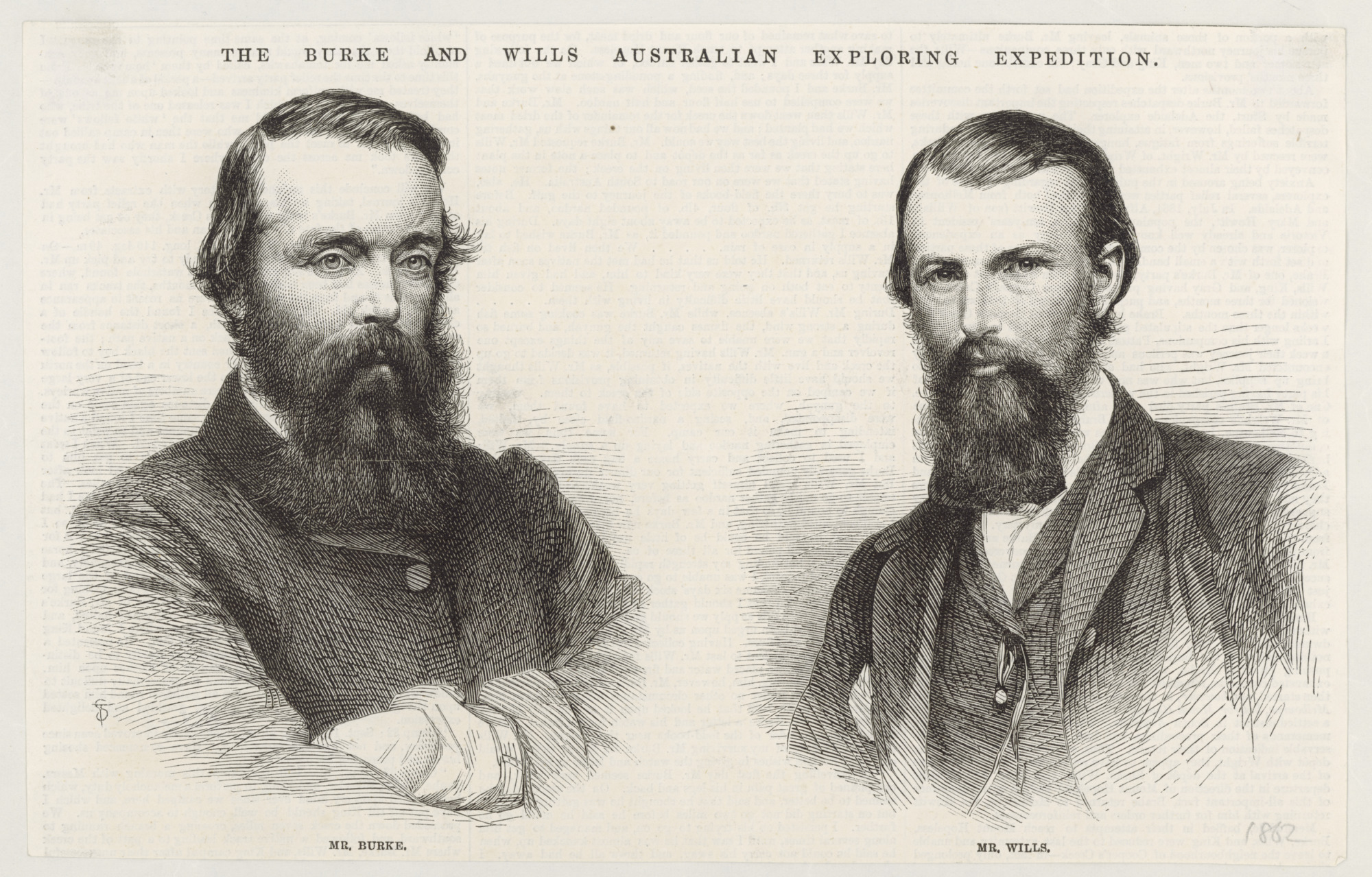
The expedition of nineteen men departed from Royal Park, Melbourne, on 20 August 1860, led by Robert O'Hara Burke. They stopped at Swan Hill to take on supplies; whilst there Burke fired some of the men, and hired replacements. The party then went on to Menindee. Problems had plagued Burke's expedition, resulting in the resignations of.
.