The Storm on the Sea of Galilee, painting, 1633 by Rembrandt Stock Photo Alamy
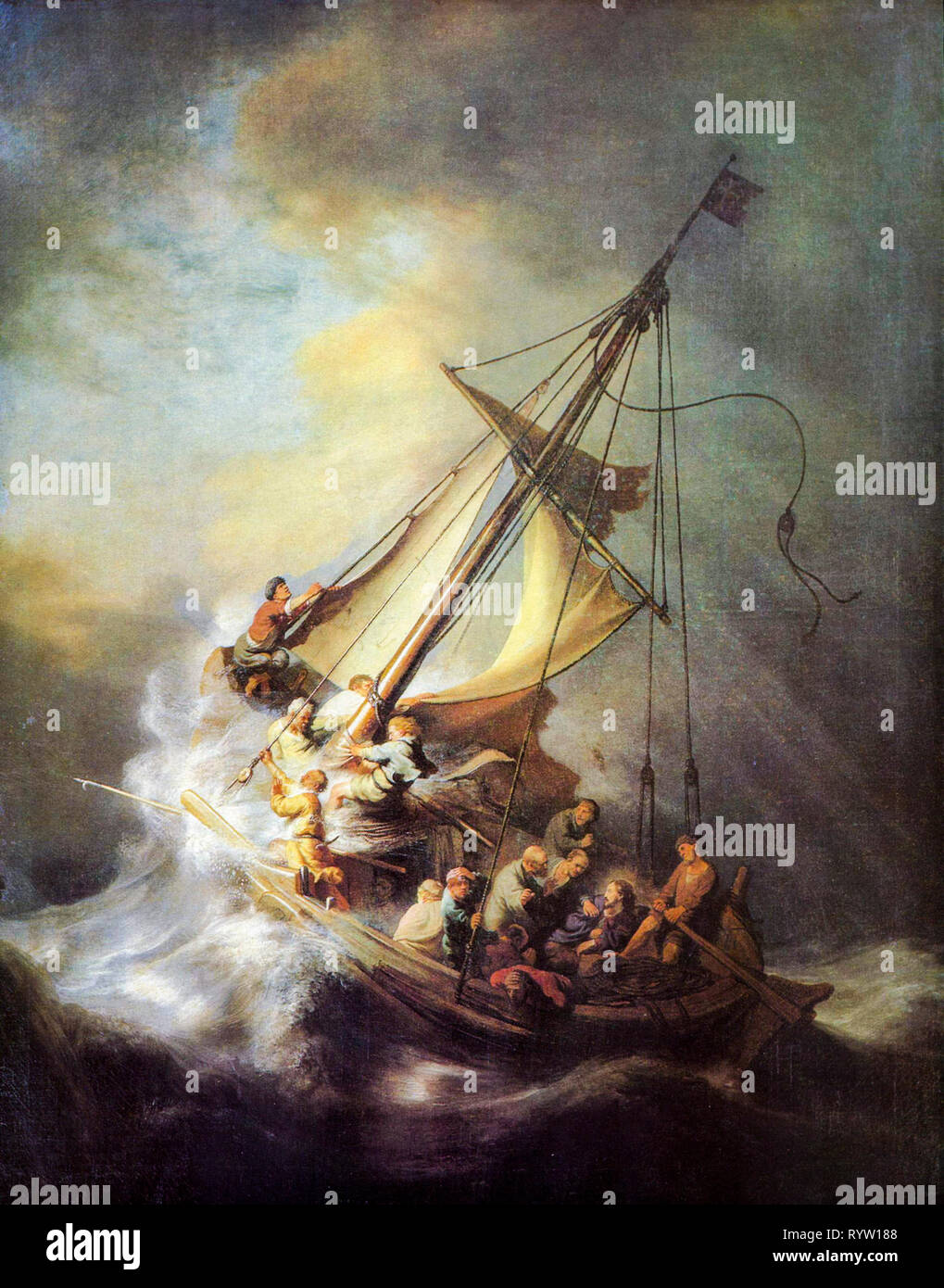
The Sea of Galilee (Kinneret in Hebrew) is the lowest freshwater lake in the world at 210 meters (690ft) below sea level. It is located in the sunken trench of the Jordan River Valley starting north of the lake in Lebanon and continuing south all the way down to the earth's lowest point at the Dead Sea (-436m; -1430ft).
The Storm on the Sea of Galilee Rembrandt at Rembrandt, Painting

The "sea" being crossed by Jesus and his followers is the Sea of Galilee, so the area they are moving on to would be the present-day Jordan. This would take him into territory controlled by Gentiles, pointing to the eventual expansion of Jesus' message and community beyond Jews and to the Gentile world.
The Storm on the Sea of Galilee reproduction Painting by Rembrandt Pixels
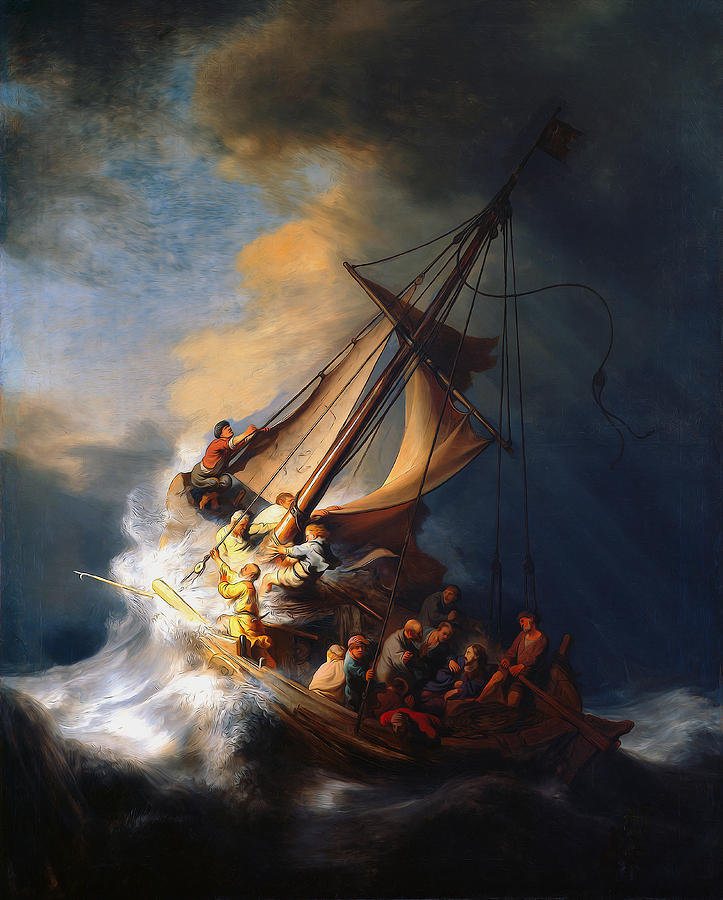
The Storm on the Sea of Galilee or "Christ in the Storm on the Sea of Galilee" is such a masterpiece depicting the Biblical scene of Jesus and the disciples crossing the sea when there is a raging storm. The painting was completed in the year 1633 and Rembrandt took the maritime theme of the painting to ensure that the theme will be.
The Storm On The Sea Of Galilee Painting
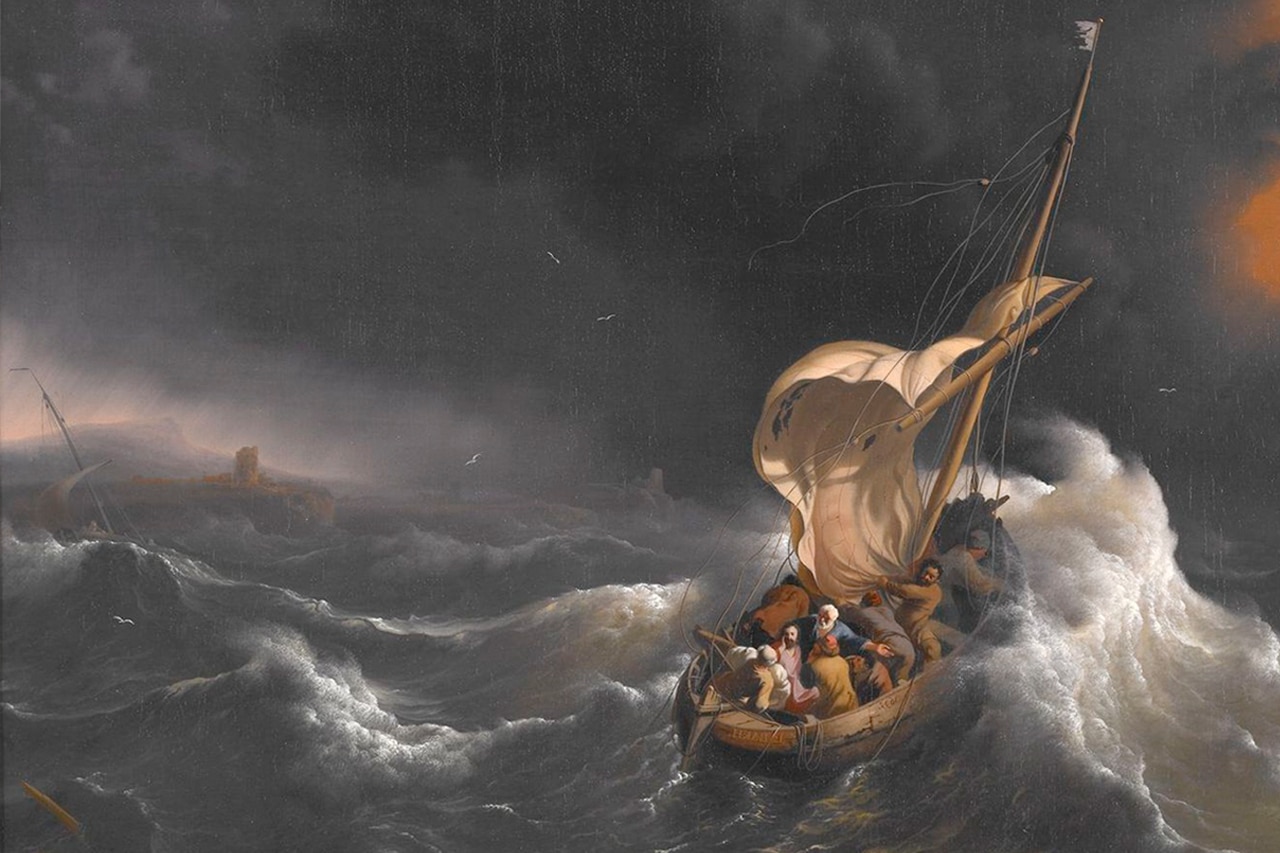
The Sea of Galilee is fed by the Jordan River, rainfall and springs on the northern side. More properly designated a lake, the Kinneret (the Old Testament and modern name) is 13 miles (21 km) long and 7 miles (11 km) wide. At its deepest point, the lake is only 150 feet (45 m) deep. The rabbis said of it, "Although God has created seven seas.
Storm on the Sea of Galilee Christadelphians of Nova Scotia

The "Storm on the Sea at Galilee" is one of the 13 masterpieces that was from the Isabella Stewart Gardner Museum in Boston on March 19, 1990. The theft, considered one of the greatest.
Lot 26 STORM ON THE SEA OF GALILEE BY GRAHAM MCKEAN
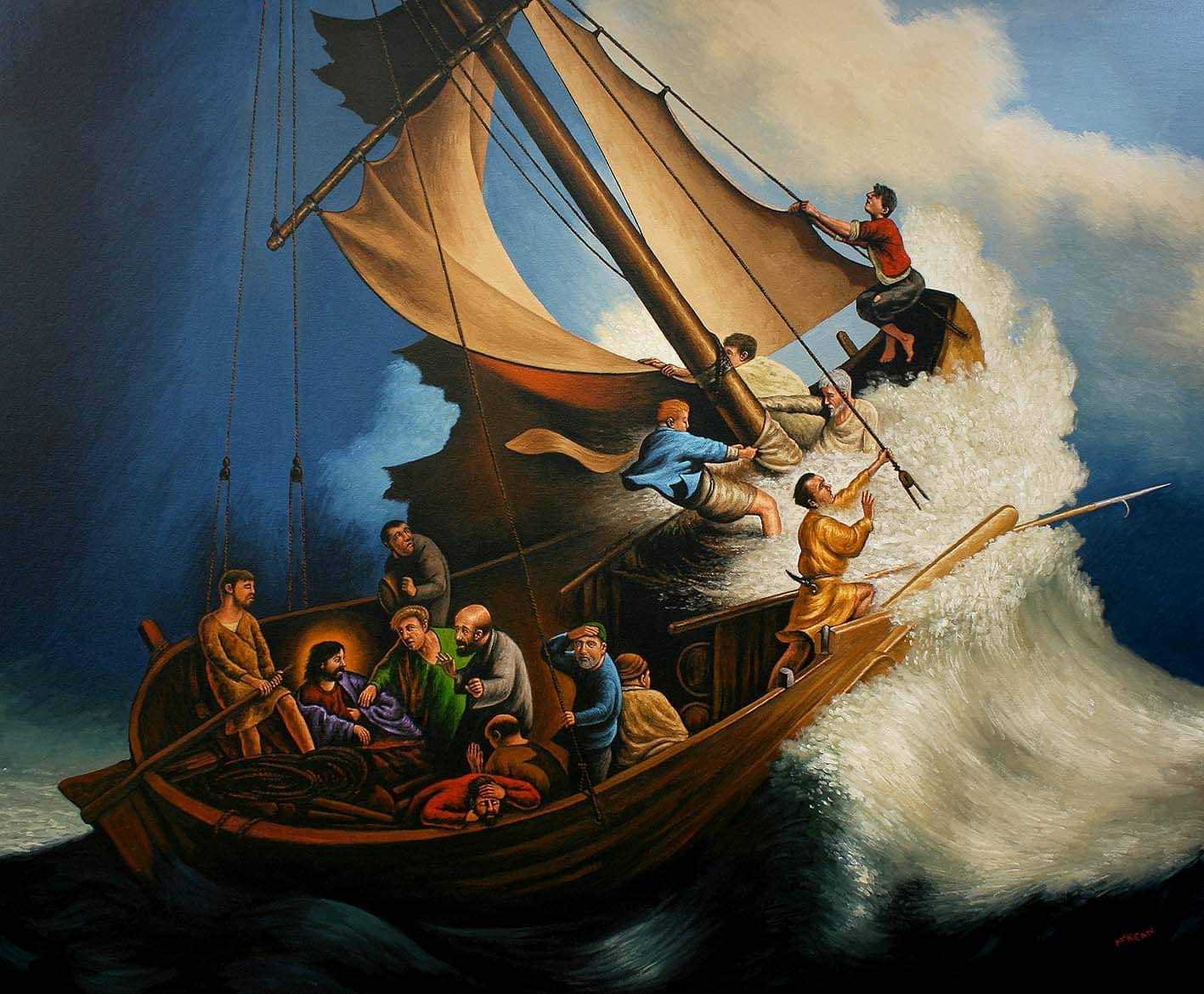
The Storm in the sea of Galilee is a painting done as an excerpt from the Bible where Jesus and His disciples were caught up in a storm while out in the sea on their boat. The painting was done by Rembrandt Van Rijn in the 1632. In the Bible, the disciples were in a state of frenzy and panic as they looked death in the eye, whilst their master.
The Storm on the Sea of Galilee Rembrandt Painting featured in Netflix Art Documentary YouTube

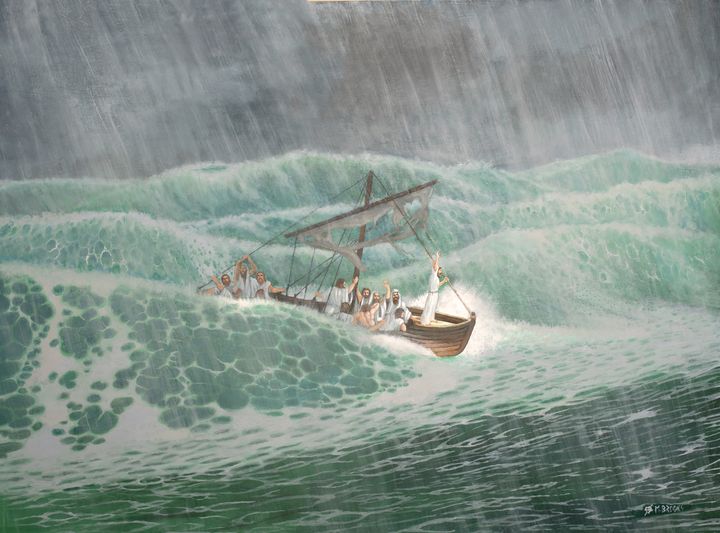
Jesus was crossing the inland sea of Galilee by boat. His disciples were with him. Jesus had gone to sleep. There arose a fierce storm that threatened to sink the boat. The disciples woke him up crying, "Lord, save us, we are perishing!" Jesus immediately calmed the storm and the waves of lake Galilee with three words: "Peace!
The Storm On The Sea Of Galilee

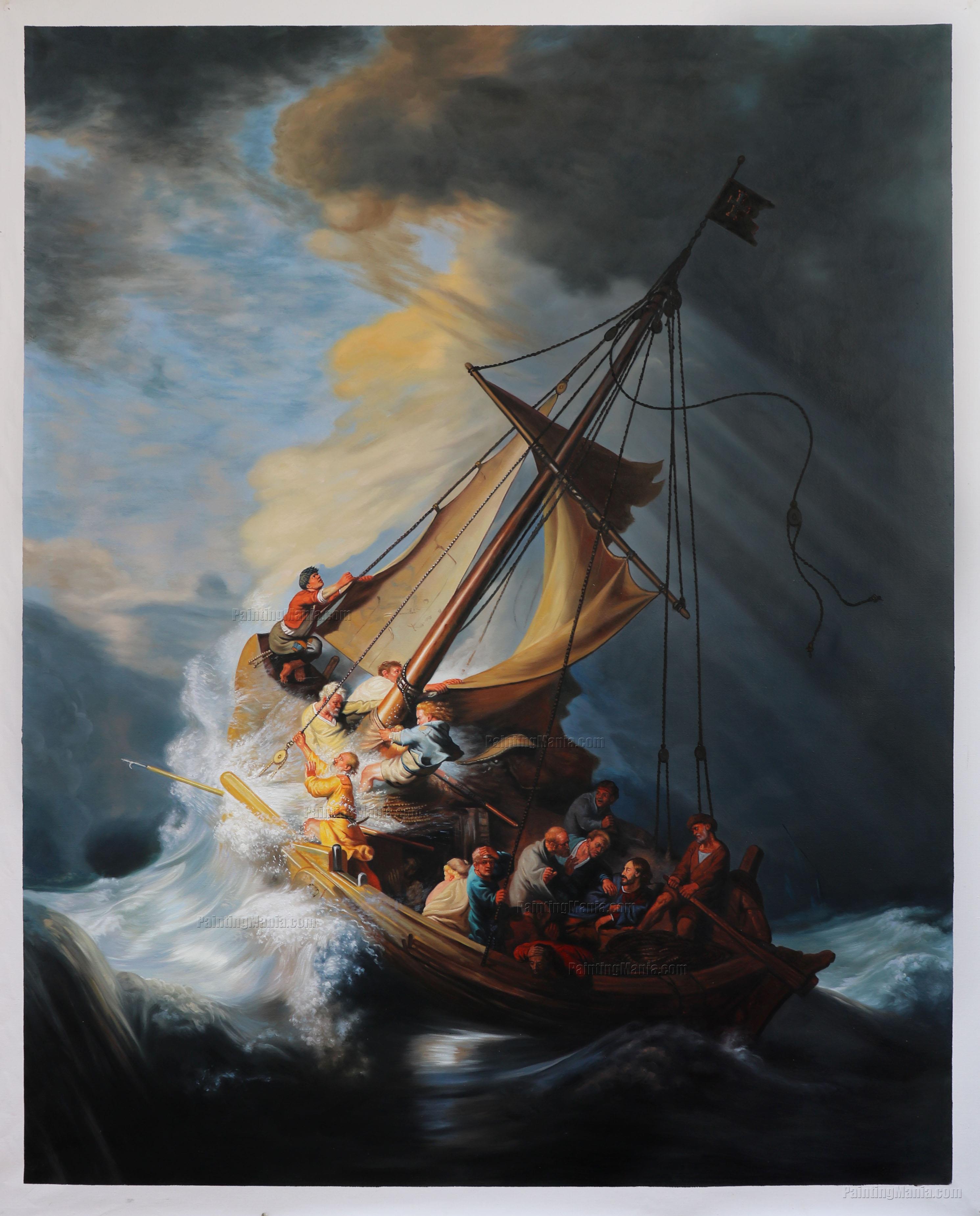
The Storm on the Sea of Galilee is a painting from 1633 by the Dutch Golden Age painter Rembrandt van Rijn that was in the Isabella Stewart Gardner Museum of Boston, Massachusetts, United States, prior to being stolen in 1990. The painting depicts the miracle of Jesus calming the storm on the Sea of Galilee, as depicted in the fourth chapter of the Gospel of Mark in the New Testament of the.
Sea Of Galilee Storm Jesus
The Storm on the Sea of Galilee by Rembrandt, 1632. Calming the storm is one of the miracles of Jesus in the Gospels, reported in Matthew 8:23-27, Mark 4:35-41, and Luke 8:22-25 (the Synoptic Gospels).This episode is distinct from Jesus' walk on water, which also involves a boat on the lake and appears later in the narrative.
The Storm on the Sea of Galilee by Rembrandt Hand Painted Oil Painting Rembrandt, Pinturas de

The Storm on the Sea of Galilee is a 1633 painting by Rembrandt depicting a Biblical passage of Christ accompanied by his disciples and a group of fishermen in a boat who worry about the sea storm. Currently missing after the 1990 heist of the Isabella Stewart Gardner Museum, it utilizes Rembrandt's narrative presentation of tension and calmness in a single frame.
Storm at the Sea of Galilee, Capernaum, Israel, big waves YouTube

Christ in the Storm on the Sea of Galilee is a 1633 oil-on-canvas painting by the Dutch Golden Age painter Rembrandt van Rijn. It is classified as a history painting and is among the largest and earliest of Rembrandt's works. It was purchased by Bernard Berenson for Isabella Stewart Gardner in 1869 and was displayed at the Isabella Stewart.
Storm on the Sea of Galilee YouTube

This vertical oil painting titled Christ in the Storm on the Sea of Galilee, by Rembrandt Van Rijn, depicts a dramatic seascape in which Christ and his followers are embroiled in a struggle to gain control of their boat during an intense storm. To our left, waves push up against the side of the boat at a forty-five-degree angle, splashing water.
The Storm on the Sea of Galilee Rembrandt at Rembrandt paintings, Rembrandt

The Sea of Galilee was a key strategic location in biblical battles at water sources. It provided a vital water supply for armies and served as a backdrop for significant conflicts in the region. The battles near the sea were pivotal moments in biblical history, shaping the outcomes of various military campaigns.
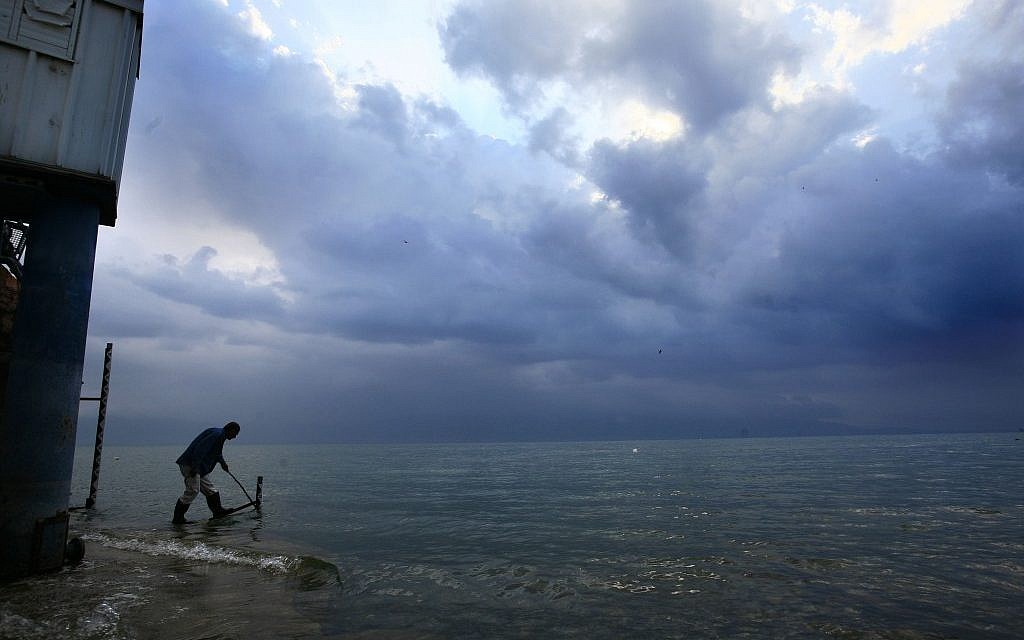
Sea of Galilee rises 10 cm after weekend storm The Times of Israel
In love with Renaissance art and a huge fan of the Impressionists. Christ in the Storm on the Sea of Galilee is just one of the many biblical scenes produced by Rembrandt. The painting shows the passage narrated in the Bible in which disciples are terrified in the face of a storm, and Jesus Christ calms its down - and then teaches the disciples.
The Storm On The Sea Of Galilee Painting
The storms at the Sea of Galilee come from three directions: East, South, and West. The strongest storms originate from the East. The storm described in Luke 8:22-25, along with its parallels in Matthew and Mark, appears to be a detailed account of a storm generated by winds blowing from the eastern shore of the lake.
3 The Storm on the Sea of Galilee by Rembrandt (1633) Download Scientific Diagram

The Storm on the Sea of Galilee was previously in the Isabella Stewart Gardner Museum in Boston. Early in the morning of March 18, 1990, two thieves disguised as police officers robbed the museum of thirteen works worth some $500 million - the greatest known property theft in history.
.